When you think of gifting chocolate, images of glossy wrappers and rich, velvety bars usually pop up. But if you’re putting together a chocolate gift basket for a colleague, a client, or a friend, the real challenge is making sure every treat is safe for everyone who opens it. The question isn’t just “how to handle dietary restrictions in chocolate gift baskets?” but also “how to keep the sweetness flowing while staying inclusive.” In this guide, we’ll walk through the practical steps, sprinkle in a bit of humor, and share a few insider secrets so your gift basket becomes a hit, not a health hazard.
Understanding the Landscape
Why Dietary Restrictions Matter
It’s easy to forget that dietary needs are as diverse as the flavors of chocolate itself. Gluten, nuts, dairy, soy, and even certain color additives can trigger allergies or intolerances. A single mislabeled bar can turn a celebratory moment into a medical emergency. That’s why the first step is to get clear on who’s in the basket and what they can or cannot eat.
- Allergy prevalence: Over 5% of the population has a food allergy, with nuts and dairy leading the pack. Labeling laws: In many countries, “may contain” statements are mandatory for potential allergens. Social expectations: Today’s gifting culture values thoughtfulness—knowing someone’s restrictions shows genuine care.
A Quick Anecdote
Last Christmas, my cousin Maya received a chocolate basket that included a hazelnut truffle. She’s a severe nut-allergic person. The basket looked perfect, but the moment she opened it, her eyes widened, and she quickly left the room. That’s when I realized: a gift basket is not just a collection of goodies; it’s a communication tool. A small oversight can send the wrong message.
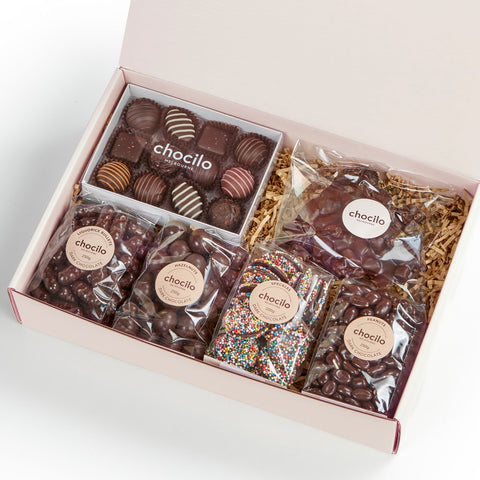
Building a Versatile Basket
Start With a Clear Inventory
Create a list of items you want to include. For each, note:
- Ingredient list Allergen warnings Gluten-free, vegan, or other certifications
Choose Universal Favorites
Some chocolates are naturally free from common allergens. These are your safety net items.
- Dark chocolate (70% cacao or higher) – usually dairy-free and nut-free. Fruit‑filled chocolates – often contain no nuts or dairy. Single‑ingredient truffles – e.g., coconut‑milk or caramel‑free options.
Add Specialty Items with Care
If you want to include nut or dairy chocolates, pair them with clear labeling and separate packaging. That way, the recipient can decide whether to indulge.
- Separate wrappers: Use a small envelope or a sticker that says “Nut‑free” or “Contains nuts.” Allergen tags: Small, brightly colored tags can act as a quick visual cue.
Create a “Taste‑Test” Section
Add a few small samples of each type—gluten‑free, nut‑free, dairy‑free, and standard. This not only shows thoughtfulness but also lets recipients enjoy a variety of flavors without risk.
Labeling and Presentation
Clear Labels Are Key
A label is more than a decorative element; it’s a safety feature. Use bold, legible fonts and place labels near the product or on the basket’s exterior.
- Allergen symbols: Use internationally recognized icons for nuts, dairy, gluten, etc. Certification logos: “Gluten‑Free,” “Vegan,” “Non‑GMO” help recipients quickly identify safe options.
Use Color Coding
Think of a rainbow—each color represents a different dietary category. This visual cue can make it easier for people to scan and pick what’s suitable.
- Red: Nut‑free Blue: Dairy‑free Green: Gluten‑free Yellow: Vegan
Add a Personal Touch
Include a handwritten note explaining the thought process behind the basket. A small card that says, “I know how important it is to enjoy chocolate without worry—hope this brings you a sweet moment!” adds warmth and transparency.
Shipping and Storage
Protecting Allergen Integrity During Transit
If you’re shipping a basket, the packaging must prevent cross‑contamination. Use airtight, sealed containers and label them as “Allergen‑Free” if they contain safe items only.
- Double‑sealed bags: Prevent accidental mixing. Clear shipping labels: “Handle with care—contains allergens.”
Storage Tips for Recipients
Sometimes the gift arrives at a location where the recipient will store it. Offer a quick storage guide:

- Keep chocolates in a cool, dry place. Avoid direct sunlight to preserve flavor. Store allergen‑free items separately if they’re mixed.
The Sweetest Takeaway
Handling dietary restrictions in chocolate gift baskets isn’t just a logistical task—it’s an art form. By carefully selecting ingredients, labeling clearly, and presenting thoughtfully, you turn a simple gift into a gesture of respect and care. Remember, a well‑crafted basket is like a Swiss Army knife of sweetness: versatile, handy, and ready for any situation.
When you hand over a basket that respects everyone’s needs, you’re not just giving chocolate—you’re giving peace of mind. So next time you’re curating a gift, ask yourself: “What if I could guarantee everyone gets a sweet moment?” With the strategies above, the answer is a https://edgarefjh644.raidersfanteamshop.com/the-sweetest-team-building-surprise-vegan-sweet-gift-hampers-for-health-focused-teams resounding yes.
---
* Ready to create your own inclusive chocolate basket?* Start by listing your recipient’s dietary preferences, then build a basket that satisfies both taste buds and safety. Your thoughtful approach will sweeten more than just the palate—it’ll strengthen relationships and show that you truly care.