When you think of a chocolate gift basket, you probably picture a glossy box, a ribbon, and a handful of silky‑smooth truffles. But behind that sweet façade lies a hidden environmental cost: the non‑eco‑friendly packaging that cradles every bite. In this article we’ll explore why this packaging matters, how it affects the planet, and what you can do to make smarter choices without sacrificing flavor. Spoiler alert—there’s still room for indulgence, just with a lighter conscience.
The Sweet Packaging Problem
What Makes Packaging Non‑Eco‑Friendly
Most chocolate gift baskets arrive in layers of plastic, foam, and paper that have been chemically treated for durability and appearance. These materials often come from fossil‑fuel‑based sources, emit greenhouse gases during production, and rarely biodegrade. Even the “recyclable” labels can be misleading when the packaging contains mixed polymers that are hard to sort.
The Ripple Effect on the Planet
Think of a single chocolate basket as a small seed that, when planted in the wrong soil, grows into a giant forest of waste. The plastic and foam take decades to break down, leaching toxins into soil and waterways. The energy used to manufacture and transport the packaging adds another layer of carbon emissions, turning a simple gift into an environmental “black hole.” In short, the packaging can outweigh the chocolate’s own ecological footprint.
The Allure of Chocolate Gift Baskets
Why People Love Them
Chocolate is a universal language of affection. A basket feels like a personal letter, complete with a curated selection of flavors, textures, and aromas. The packaging itself often doubles as a visual cue of quality—bright colors, elegant embossing, and a sturdy box that says, “This is a gift worth keeping.” The emotional impact is undeniable, and it’s hard to resist the temptation of a beautifully wrapped treasure.

The Temptation of Convenience
In our fast‑paced world, convenience is king. Pre‑packaged baskets save time, reduce the risk of spoilage, and provide a ready‑to‑give solution for last‑minute celebrations. However, this convenience often comes at the cost of environmental responsibility. The very act of packaging, sealing, and shipping the basket can create a supply chain that feels like a “one‑size‑fits‑all” solution—great for the consumer, but not so great for the planet.
Balancing Taste and Sustainability
Eco‑Friendly Alternatives (brief list)
- Biodegradable boxes made from molded pulp or recycled paper Reusable containers that can double as décor after the chocolate is gone Plant‑based plastics derived from corn starch or sugarcane
These options may look a bit less glamorous, but they keep the same delightful experience while cutting down on waste.
The Cost vs. Benefit Debate
It’s tempting to assume that green packaging means higher prices. While some eco‑friendly materials do cost a little more, the long‑term savings—both environmental and economic—can outweigh the upfront difference. Moreover, consumers are increasingly willing to pay a premium for products that align with their values. In many cases, the extra cost is a small price to pay for a healthier planet.
Practical Tips for Consumers
Reading Labels and Spotting Red Flags
- Look for “100 % recycled” or “post‑consumer recycled” claims. Check the packaging material: a single‑polymer box is easier to recycle than a mixed‑material one. Beware of “biodegradable” claims that aren’t backed by third‑party certifications.
Asking the Right Questions When Buying
- “What type of packaging does this basket use?” “Is the packaging recyclable in my local system?” “Do you offer a return or recycle program for the packaging?”
These questions can help you gauge the brand’s commitment to sustainability and make a more informed decision.
The Role of Retailers and Brands
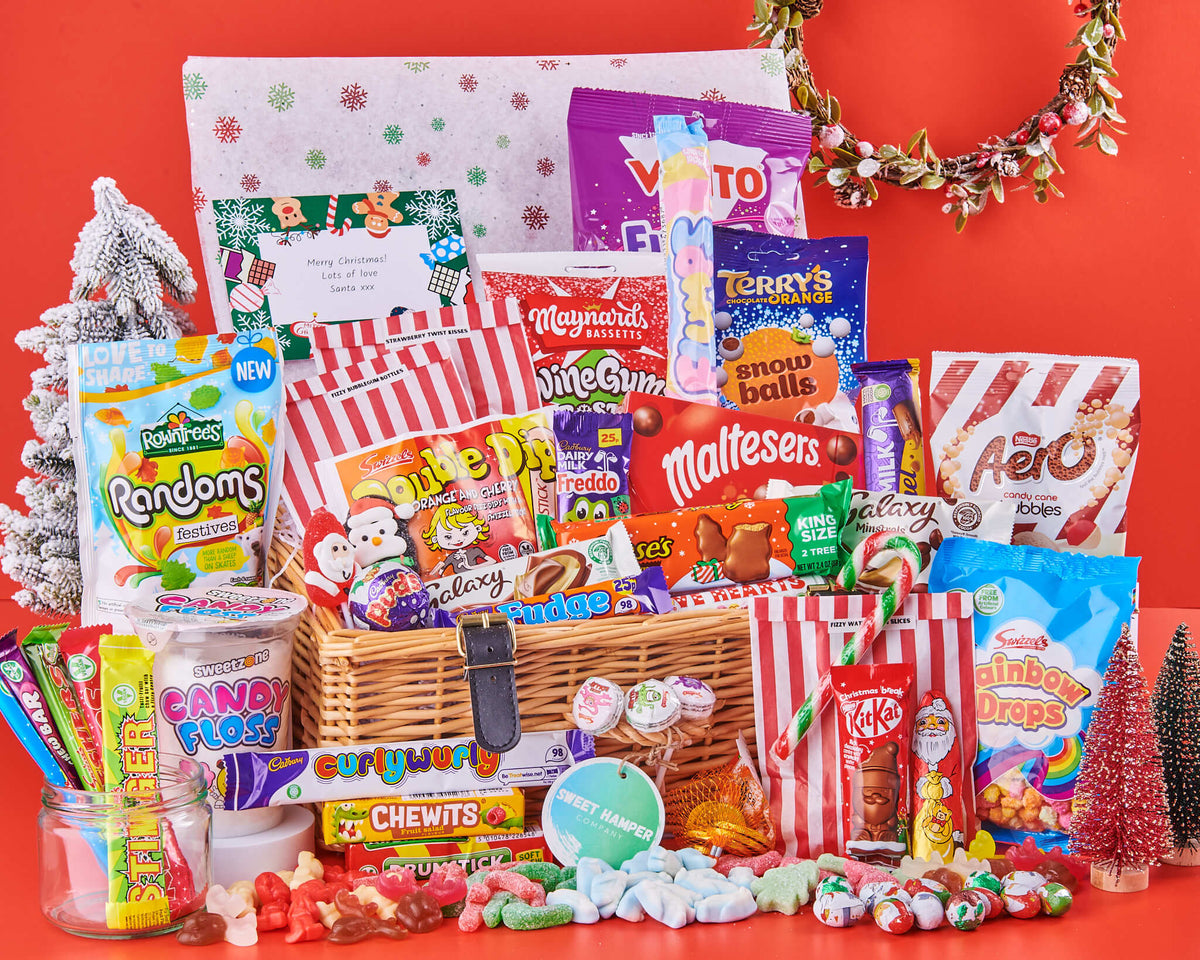
sweet gift basketsHow Brands Can Shift to Green Packaging
Retailers can start by sourcing suppliers that prioritize sustainable materials, investing in design innovations that reduce packaging volume, and adopting transparent labeling practices. Some brands have even gone further by offering “take‑back” programs where customers can return empty boxes for recycling or repurposing.
What Consumers Can Demand
Your voice matters. By choosing brands that demonstrate environmental stewardship, you send a clear market signal: “We value sustainability as much as we value taste.” This demand can accelerate industry shifts toward greener practices, creating a virtuous cycle where eco‑friendly packaging becomes the norm rather than the exception.
Making Your Selection Count
Choosing a chocolate gift basket that uses non‑eco‑friendly packaging is like picking a dessert that tastes great but leaves a bitter aftertaste for the planet. Instead, look for options that balance indulgence with responsibility. Remember, the best gifts are those that bring joy now and leave a lighter footprint for tomorrow. So next time you reach for that glossy box, pause, ask the right questions, and consider the long‑term impact. Your taste buds—and the Earth—will thank you.
*“The greatest gift you can give is a conscious choice.”* — Anonymous
By making mindful selections, you help turn the chocolate gift basket from a sweet indulgence into a symbol of sustainable generosity. Happy gifting!